 New
Past work · 2020: Community-wide testing in the Mission District and Bolinas
Where Primary.Health began: volunteers running the data system behind same-week prevalence studies in a dense city neighborhood and a rural coastal town.
- Partner
- UCSF, Latino Task Force, CZ Biohub, San Francisco Department of Public Health
- When
- 2020
- What we built
- Data system, patient portal, and lightweight EHR for community prevalence studies
- Outcome
- Findings shaped San Francisco’s response; the partnership went on to serve 100,000+ people
This program has concluded. It’s kept here as an example of our work.
The question no one could answer
In spring 2020, researchers at the University of California, San Francisco needed to know how much COVID was actually in the community. They had the science. What they didn’t have was a way to register thousands of people on a sidewalk, track every sample through the lab, and return results quickly, in a year when the state of the art for returning a lab result was still a fax machine.
Two communities, one week
In April 2020, Unidos en Salud, a partnership of UCSF, the Latino Task Force, CZ Biohub, and the San Francisco Department of Public Health, offered free PCR and antibody testing to every resident and worker in a single census tract of the Mission District, regardless of symptoms. The same week, a second team tested nearly the entire population of Bolinas, a rural town on the Marin coast. Testing both at once gave a read on where the virus actually was that no case count could.
Our team ran the data system, the patient portal, and the lightweight EHR under both studies. We registered people in the Mission and in a parking lot in Bolinas, tracked their samples, returned results in their language, and handed the research team a clean dataset at the end of each day.
What the data showed
Far more prevalent than case counts suggested
In the Mission, many infections were asymptomatic, and the burden fell on essential workers who couldn’t isolate without losing income.
Almost no infection in Bolinas
The virus was tracking work and housing density, not geography.
Policy that followed the data
The Mission findings informed San Francisco’s Right to Recover program, which paid people to stay home.
What it taught us
None of it took years. It took the ability to run a fast, well-designed study at scale while the question was still open, with a data system that could enroll thousands of people in days and feed researchers in real time. That is what preparedness means in practice. It’s why this company exists.
On the ground
The Mission, 2020 to 2021
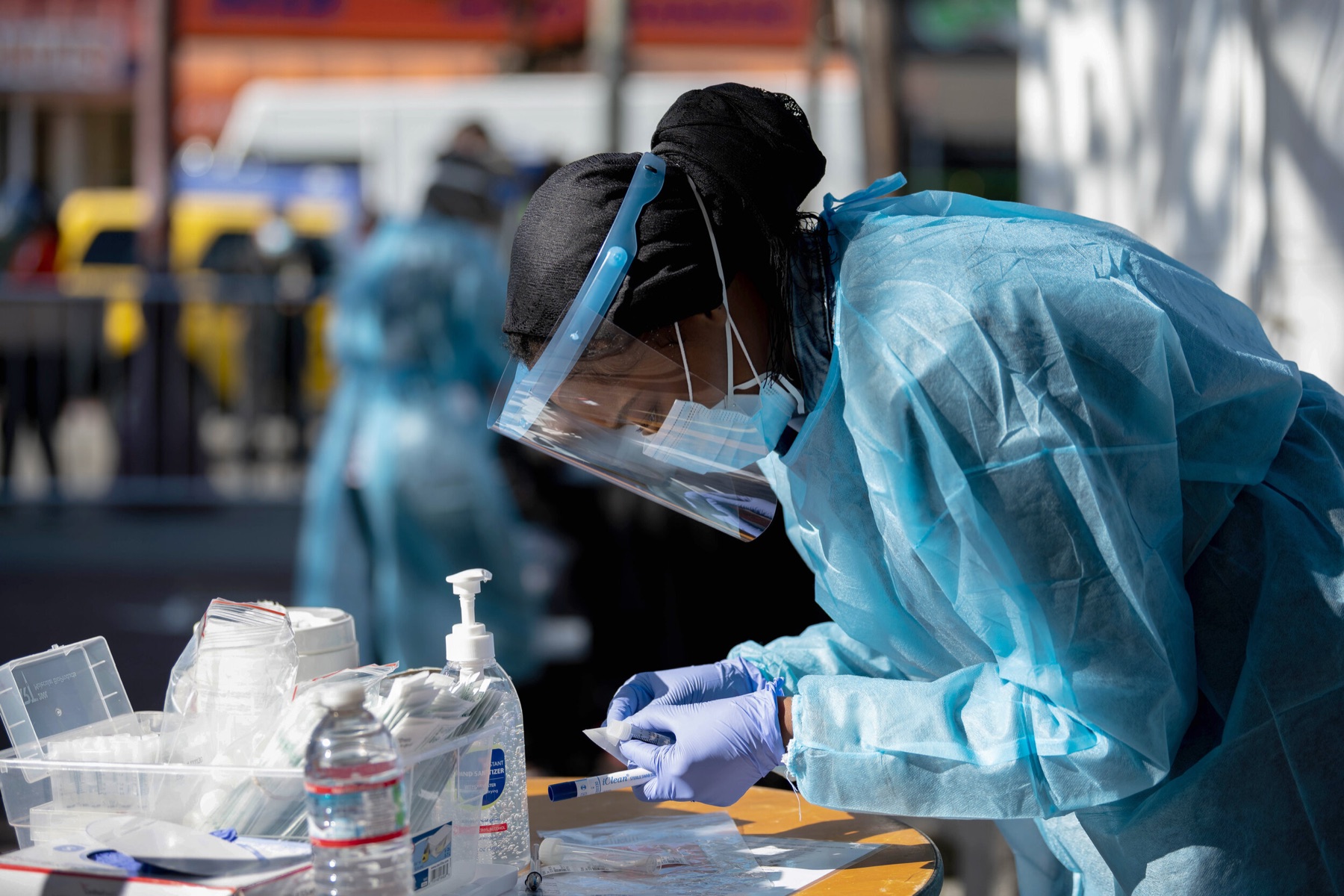
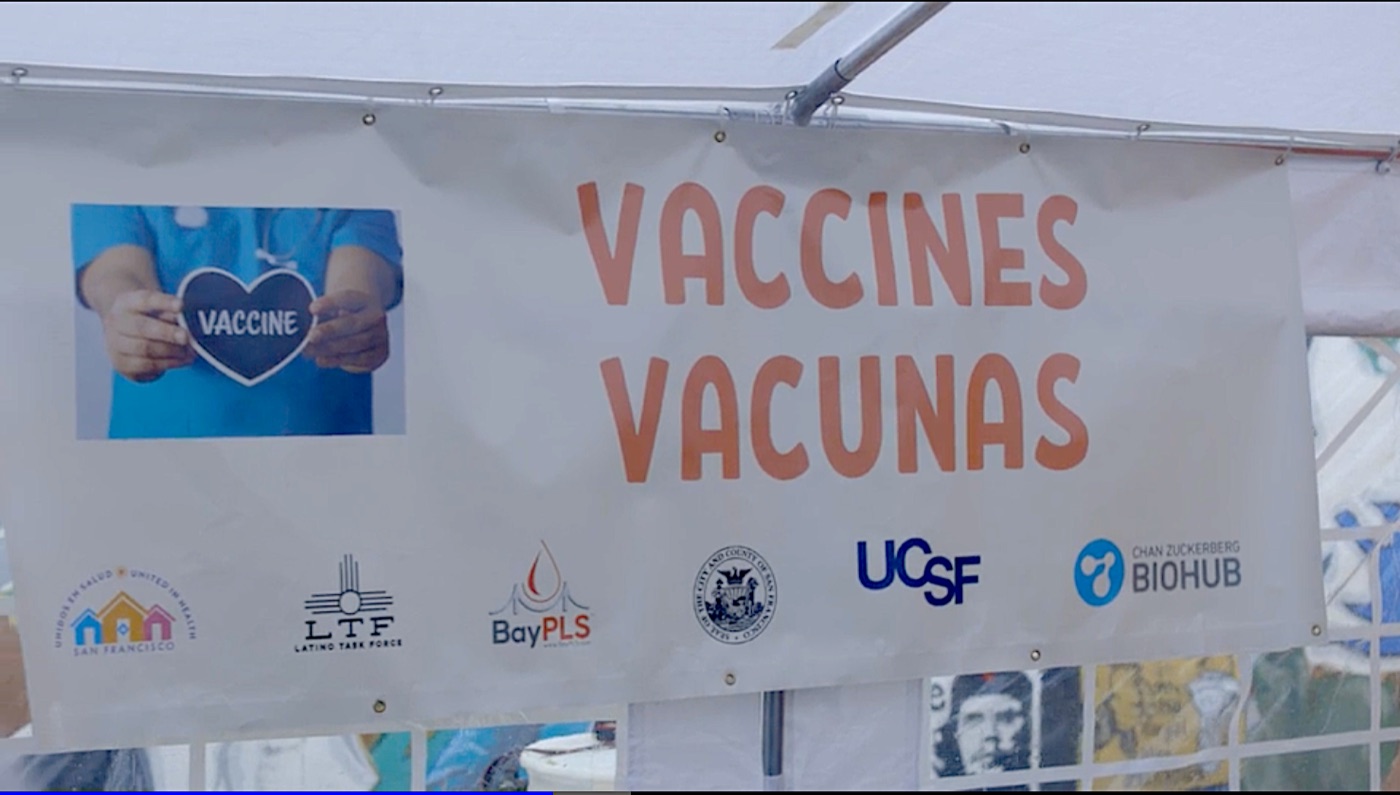
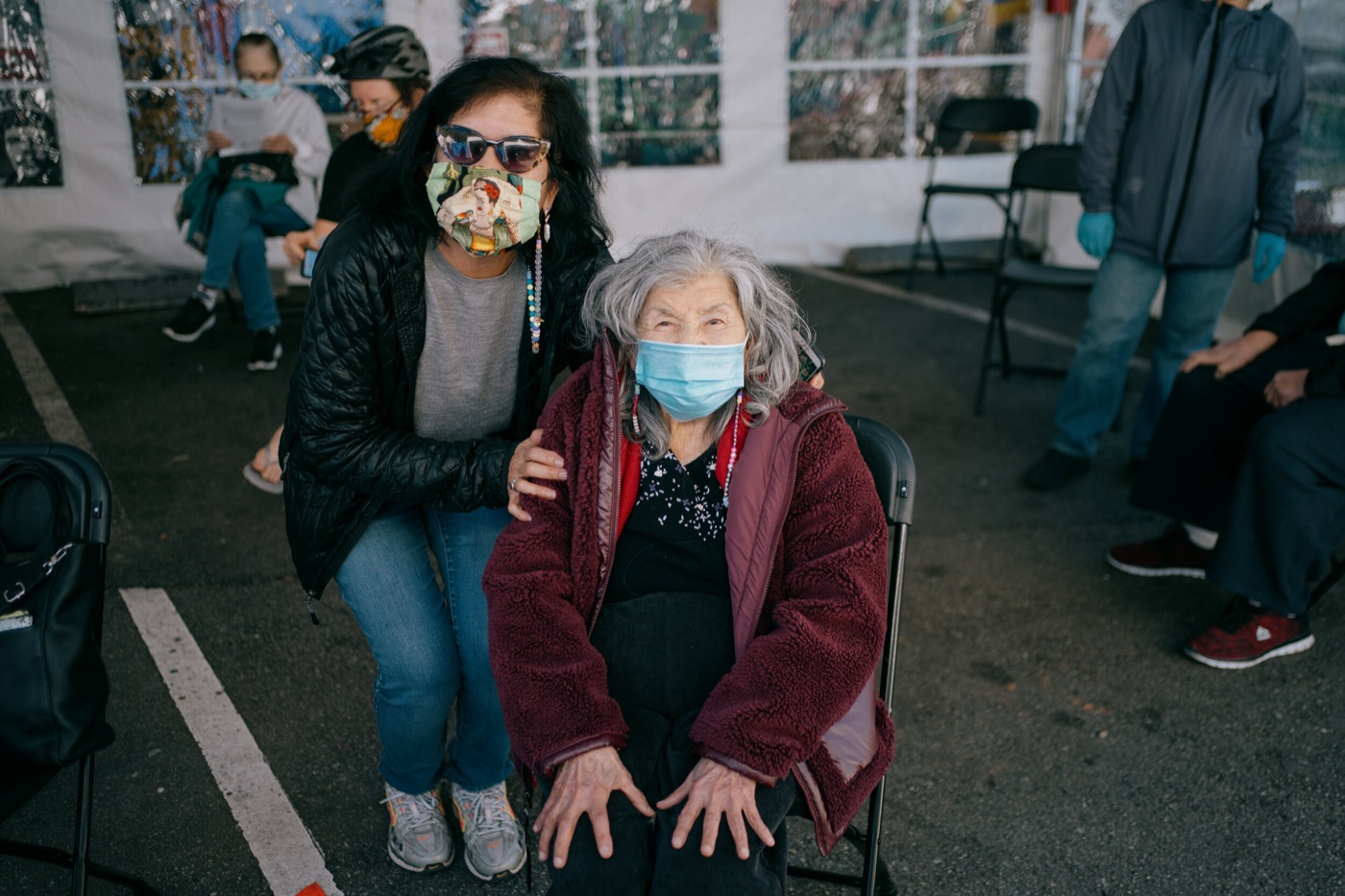
Mission District testing and vaccination photos courtesy of UCSF.
More past work
Built in the field
2022–2023
California’s statewide antigen testing program
A statewide program that put rapid antigen testing, plus a path to free treatment, within reach of every California resident.
Read the case study2023
Free at-home test kits for Marin County residents
A community partnership that made private, no-cost testing available at local pick-up locations.
Read the case studyVaccine rollout
Multilingual vaccine access in Alameda County
Removing language as a barrier to vaccine appointments in a county where nearly half of adults speak a language other than English at home.
Read the case study2021–2022
Workforce testing and vaccination programs
Managed programs that helped employers keep teams healthy during the COVID-19 and flu seasons.
Read the case study2022–2023
Primary Health Pass mobile app
A companion app that put at-home test reporting in people’s pockets, connected to the same records as the Primary.Health platform.
Read the case studyYour next program starts here.
Every case study began with a hard problem and a short timeline. Tell us about yours.